Strength Over Aesthetics: Why 2026 Is All About Training for Long-Term Health
For years, fitness culture revolved around visible abs, extreme dieting, and short-term transformations. In 2026, that mindset is changing. More people are now training for strength, mobility, and longevity, not just appearance.
The focus has shifted to healthspan—how strong, mobile, and independent you remain as you age—rather than chasing aesthetic goals that don’t last.
Why Strength Training Is the Core Fitness Trend in 2026
Strength training for long-term health is now backed by both science and real-world results. Studies consistently show that maintaining muscle mass reduces the risk of diabetes, heart disease, joint issues, and age-related weakness.
Key reasons strength training is rising:
- Muscle mass naturally declines after age 30 without resistance training
- Strong muscles protect joints and improve posture
- Strength training improves insulin sensitivity and metabolic health
- Bone density improves with resistance, reducing fracture risk
In 2026, people are prioritising two to four strength sessions per week, even if workouts are short.
Functional Training Replaces Bodybuilding-Style Workouts
Instead of isolating muscles, functional workouts train movements used in daily life. This approach improves coordination, stability, and injury resistance.
Common functional movements include:
- Squats for sitting and standing
- Deadlifts for safe lifting
- Carries for grip strength and posture
- Rotational exercises for spinal health
This style of training supports long-term health better than mirror-focused routines.
Pilates, Core, and Balance Training for All Ages
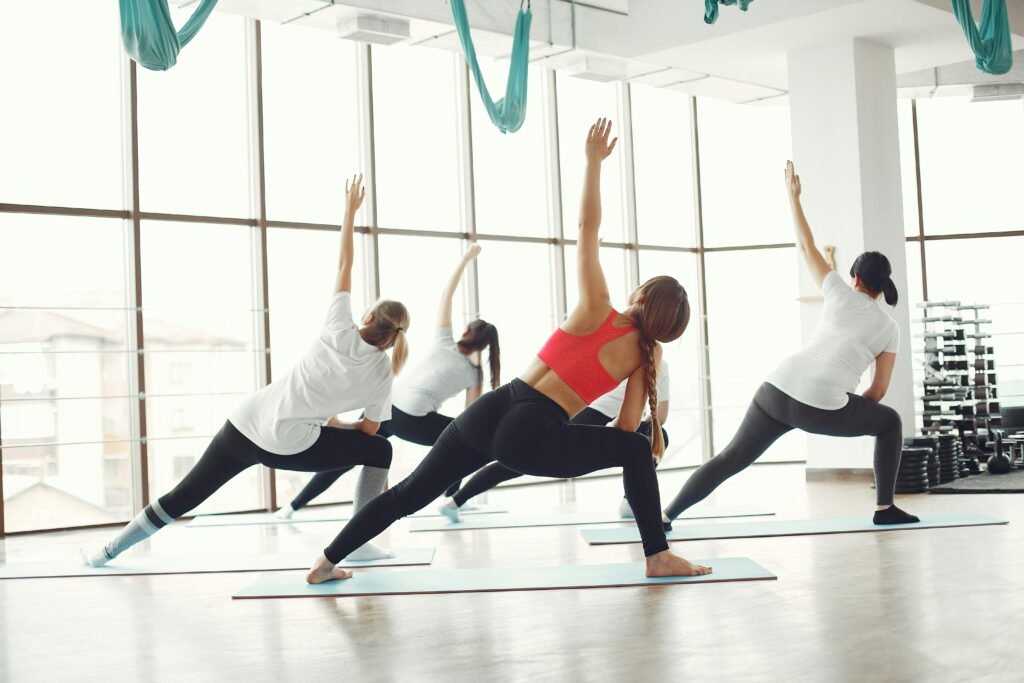
Pilates and balance-focused workouts are no longer niche. In 2026, they are mainstream because they improve deep core strength, flexibility, and body control.
Benefits include:
- Better balance, lowering fall risk as you age
- Stronger stabilising muscles around joints
- Reduced back and neck pain, especially for desk workers
Balance training is now considered essential, not optional, for healthy ageing.
Recovery and Mobility: The Missing Link in Old Fitness Culture
One major change in 2026 fitness thinking is the importance of recovery. Overtraining and burnout are being replaced with smarter routines that include mobility work, stretching, and rest days.
Modern fitness plans include:
- Mobility drills for hips, shoulders, and spine
- Light movement on rest days
- Proper sleep and stress management
Recovery is now seen as part of training, not a break from it.
Healthspan Over Six-Pack Abs
The biggest shift in 2026 is psychological. People are no longer asking how fast they can transform their bodies. Instead, they are asking how long they can stay pain-free and active.
The new fitness question is:
“Will this help me move better at 60?”
That mindset is driving the popularity of strength training for long-term health across all age groups.
Simple Strength Exercises You Can Start With
These exercises align perfectly with the 2026 fitness approach and suit beginners to advanced trainees.
Lower Body
- Bodyweight squats or goblet squats
- Step-ups
- Glute bridges
Upper Body
- Push-ups (wall, knee, or standard)
- Resistance band rows
- Dumbbell shoulder presses
Core and Balance
- Planks and side planks
- Dead bugs
- Single-leg stands
Full-Body Functional Moves
- Farmer’s carries
- Kettlebell or dumbbell deadlifts
- Sit-to-stand drills
Even 20–30 minutes, three times a week can significantly improve strength and mobility.
Why This Fitness Shift Matters in the Long Run
As life expectancy increases, quality of life becomes the real challenge. Strength, balance, and mobility determine whether people remain independent or struggle with basic daily tasks later in life.
In 2026, fitness is no longer about looking fit for a photo. It is about building a body that supports you for decades.
External Reference
For more on strength training and healthy ageing, visit the World Health Organization’s physical activity guidelines:
https://www.who.int/news-room/fact-sheets/detail/physical-activity