From Chatbots to Super Agents: AI Finally Starts Doing the Work
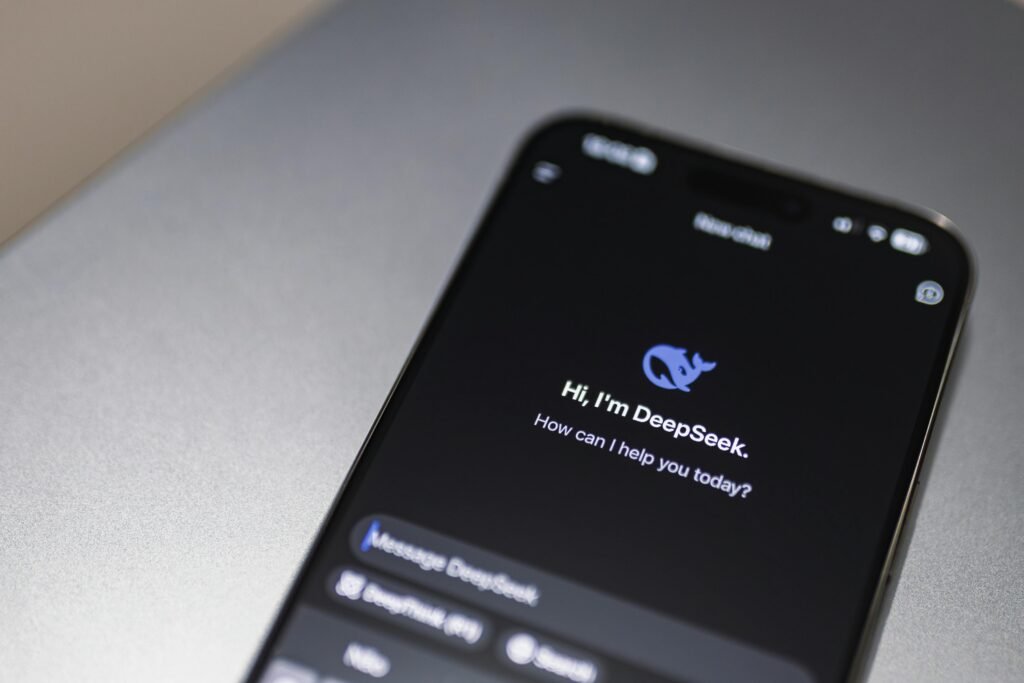
Chatbots changed how people interacted with software. In 2026, that phase is ending. The new wave of artificial intelligence is about AI agents—systems that don’t just answer questions but take action.
These AI agents, often called super agents, can plan, execute, and complete complex tasks across multiple apps with minimal human input.
What Are AI Agents (Without the Jargon)
An AI agent is software that:
- Understands a goal
- Breaks it into steps
- Uses tools like email, browser, documents, and calendars
- Executes tasks independently
Instead of typing prompts repeatedly, users give a single instruction and let the agent handle the workflow.
How Super Agents Differ from Chatbots
Chatbots are reactive. Super agents are proactive.
In 2026, AI agents can:
- Read and summarise emails
- Draft and send replies
- Research topics online
- Create reports and presentations
- Update spreadsheets
- Schedule meetings
All without switching apps manually.
Why Enterprises Are Adopting AI Agents at Scale
Businesses are embedding AI agents into enterprise software because they:
- Reduce repetitive work
- Improve productivity per employee
- Lower operational costs
- Operate continuously without fatigue
Analysts expect a sharp increase in enterprise tools powered by AI agents by the end of 2026.
What This Means for Everyday Users
AI agents are not just for offices. Normal users benefit too:
- Automated personal planning
- Smarter digital assistants
- Less screen time switching between apps
- Faster decision-making
AI is becoming an execution layer, not just a thinking tool.
The Bigger Shift in 2026
This is the year AI stops being impressive and starts being useful. Super agents mark the transition from “AI that talks” to AI that works.
External reference: https://www.microsoft.com/en-us/ai