On-Device AI: Why 2026 Is the Year Your Phone Becomes Your Personal AI Hub
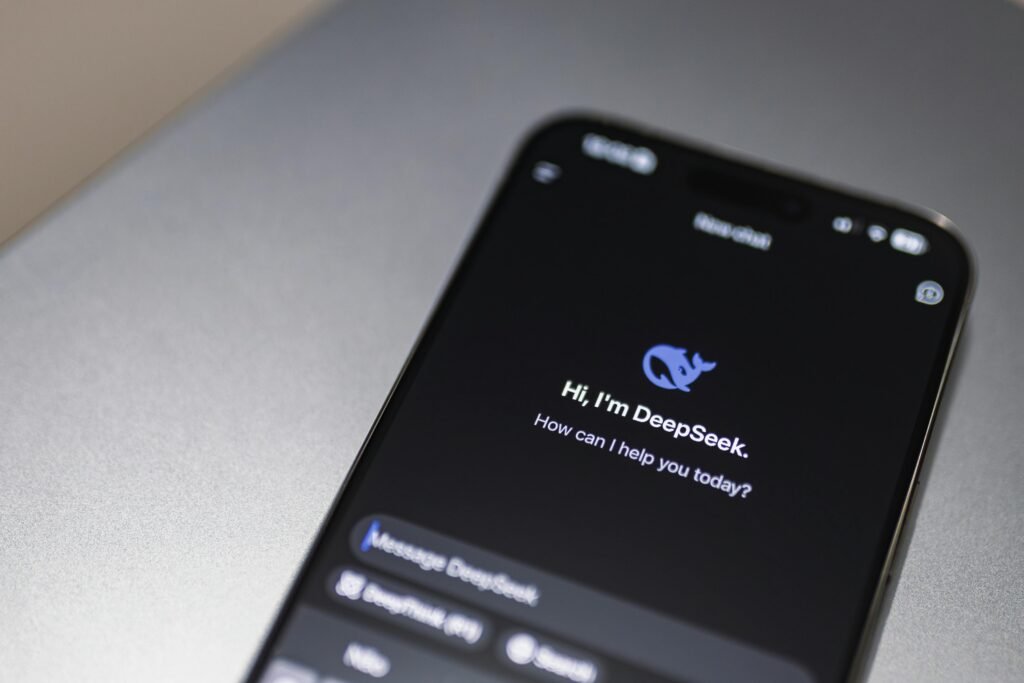
For years, artificial intelligence lived mostly in the cloud. Your phone recorded a voice command, sent it to a remote server, waited for processing, and then delivered a response. In 2026, that model is rapidly changing.
Thanks to on-device AI, smartphones are becoming self-contained AI hubs — capable of understanding voice, analyzing images, tracking health, and predicting behavior without needing an internet connection.
This shift is one of the most important mobile technology changes of the decade, especially for Indian users.
What Is On-Device AI (and Edge AI) in Simple Terms?
On-device AI means artificial intelligence that runs directly on your smartphone, smartwatch, or wearable, instead of relying on cloud servers.
Edge AI is a broader term that refers to AI running at the “edge” of the network — on devices like phones, cameras, earbuds, and fitness trackers.
Simple example:
- Cloud AI: “Hey assistant” → data sent to server → response comes back
- On-device AI: “Hey assistant” → phone processes it instantly
In 2026, many AI tasks no longer leave your device at all.
How New NPUs Power On-Device AI in 2026
Modern smartphones now include dedicated Neural Processing Units (NPUs) alongside CPUs and GPUs.
These NPUs are designed specifically for AI tasks such as:
- Voice recognition
- Image and video analysis
- Language translation
- Health data interpretation
In 2026:
- Flagship phones offer 40–60 TOPS (trillions of operations per second) of AI compute
- Mid-range phones increasingly deliver 15–30 TOPS, enough for daily AI tasks
This hardware leap makes advanced AI possible without cloud dependence.
What On-Device AI Can Do on Your Phone in 2026
Offline Voice Assistants
Voice assistants now:
- Work without internet
- Understand local accents better
- Execute commands instantly
Tasks like setting reminders, summarizing messages, translating speech, or controlling apps happen fully offline.
Smarter Camera and Video Features
On-device AI enables:
- Real-time photo enhancement
- Automatic object removal
- Better night photography
- Live background blur and subject tracking in video
Because processing happens locally, camera previews are faster and more accurate.
Health Monitoring on Wearables and Phones
AI on wearables now:
- Detect irregular heart rhythms
- Track sleep quality in real time
- Predict fatigue and stress patterns
- Analyze movement and posture
All of this happens without uploading sensitive health data to servers, improving user trust.
AI-Powered Apps That Feel Instant
Apps in 2026 use on-device AI for:
- Smart typing and rewriting
- Auto-summarizing notes and documents
- Spam and fraud detection
- Personalized recommendations
Because AI runs locally, apps feel smoother even on mid-range phones.
Why On-Device AI Matters More for Indian Users
Lower Data Consumption
India has hundreds of millions of users on limited data plans. On-device AI:
- Reduces background data usage
- Cuts dependence on constant internet access
- Works reliably in low-connectivity areas
This makes AI practical beyond metro cities.
Better Privacy and Data Security
With on-device AI:
- Voice recordings stay on the phone
- Photos are processed locally
- Health data is not uploaded by default
This is especially important as privacy awareness grows among Indian users.
Smoother Performance on Mid-Range Phones
Earlier, advanced AI features were limited to expensive flagships. In 2026:
- Mid-range phones handle AI tasks efficiently
- Apps load faster with local inference
- Battery efficiency improves due to optimized NPUs
This democratizes AI access across price segments.
On-Device AI vs Cloud AI: The 2026 Balance
Cloud AI is not disappearing. Instead, a hybrid model is emerging:
- On-device AI: Speed, privacy, offline tasks
- Cloud AI: Large models, complex reasoning, large-scale data analysis
Smartphones now decide what to process locally and what to send to the cloud, optimizing performance automatically.
Industries Being Transformed by On-Device AI
Smartphones and Wearables
Personal assistants, health tracking, cameras
Finance Apps
Fraud detection, biometric security
Education
Offline learning tools, language translation
Healthcare
Continuous monitoring without cloud dependency
External Reference
For broader insights into edge computing and AI trends, refer to GSMA intelligence:
https://www.gsma.com/futurenetworks/edge-computing/
Final Takeaway
2026 is the year your phone truly becomes your personal AI hub.
With on-device AI, intelligence moves closer to the user — delivering faster responses, better privacy, lower data usage, and smoother everyday experiences.
For Indian users, this shift is especially meaningful. It makes advanced AI accessible, affordable, and practical, even without perfect connectivity.
As NPUs grow more powerful and apps adapt, on-device AI will quietly redefine how we use smartphones — not as tools that connect us to intelligence, but as devices that are intelligent themselves.