Temple by Deepinder Goyal: Can an AI-Powered Brain-Flow Wearable Really Hack Your Ageing?
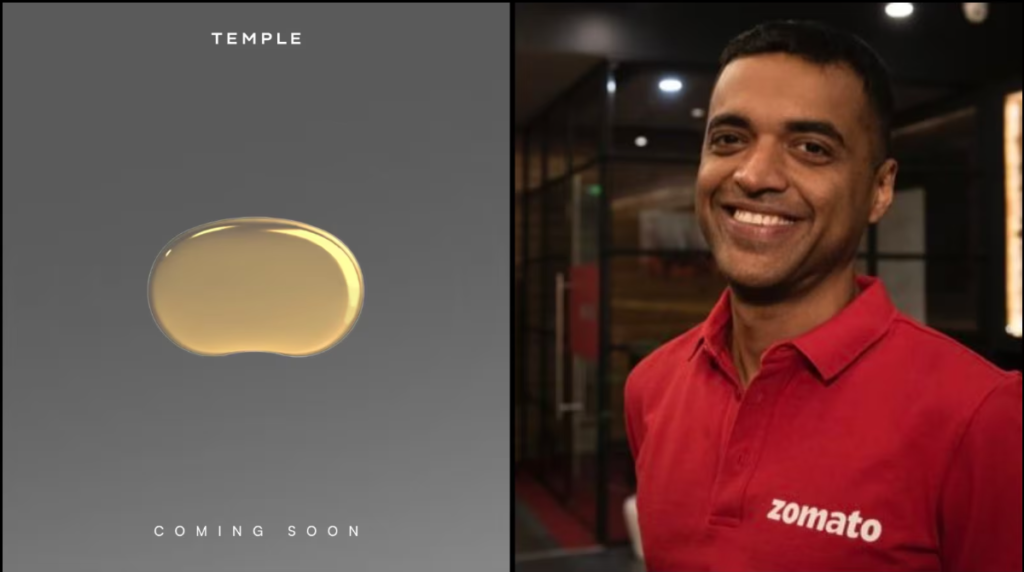
In 2026, wearable health tech has moved far beyond counting steps and heart rate. At the forefront of this trend is Temple, an AI-powered brain-flow wearable conceptualized by Deepinder Goyal, the founder of Zomato. According to its proponents, Temple aims to do more than track health — it claims to optimize cognitive function, monitor neural patterns, and potentially influence mechanisms linked to ageing.
But can an AI wearable truly “hack” ageing? This article explores what this technology is, how it works, real science behind it, and what it might mean for users — especially in India.
What Is an AI Brain-Flow Wearable?
An AI brain-flow wearable is a device designed to measure and interpret neural and physiological signals — such as brain activity, sleep patterns, stress indicators, and cognitive states — and then use AI algorithms to suggest personalized interventions.
Temple’s core idea is to combine:
- Neural signal sensing
- AI-driven interpretation
- Personalized feedback
- Behavioural and wellness insights
This is a major step beyond traditional fitness wearables that primarily focus on heart rate, steps, or sleep duration.
How AI Brain-Flow Wearables Work
To understand the promise and limitations, let’s break down the tech:
1. Neural Signal Detection
Modern biosensors can detect brain-related activity (e.g., EEG patterns) through non-invasive sensors worn on the head or wrist. These sensors capture subtle electrical signals related to neural function.
2. AI Interpretation
The raw data is fed into on-device and cloud-based AI models that:
- Identify stress and recovery states
- Recognize patterns linked to attention and cognitive fatigue
- Predict sleep cycle consistency and neural resilience
3. Actionable Feedback
Based on these insights, Temple can suggest:
- Breathing exercises
- Meditation routines
- Sleep schedule optimization
- Cognitive training activities
Some claims go further — suggesting real-time interventions that could theoretically influence age-related neurological decline.
Can This Tech “Hack Your Ageing”?
This is the most debated question. The short answer: not in the sci-fi sense. But there are meaningful ways AI wearables can support healthier ageing:
1. Stress and Cognitive Load Monitoring
Chronic stress accelerates wear-and-tear on the brain and body. Tracking neural indicators can help users reduce stress before it becomes chronic.
2. Better Sleep Intelligence
Poor sleep is strongly linked to cognitive ageing. AI wearables can identify subtle sleep disturbances and suggest data-driven improvements.
3. Tailored Mental Wellness
Personalized breathing, meditation, and focus exercises can improve mental resilience — a key component of long-term brain health.
4. Real-Time Behavior Change
Feedback loops and habit suggestions powered by AI can help users stay consistent with routines that support longevity.
What Science Says in 2026
Leading neuroscience research supports some aspects of brain-signal monitoring and lifestyle optimization. For example:
- EEG-based feedback can improve meditation outcomes.
- Sleep pattern tracking has measurable impacts on cognitive health.
- Stress reduction correlates with markers of cellular ageing.
However, no wearable device — including Temple — can literally stop or reverse biological ageing. What they achieve is data-supported wellness optimization.
For foundational brain health guidance, reputable sources such as the National Institute of Mental Health provide evidence-based insights:
https://www.nimh.nih.gov
Why This Matters for Indian Users
India’s health landscape is rapidly evolving:
- Rising stress, burnout, and cognitive load among urban professionals
- Growing awareness of lifestyle-related health issues
- Increasing adoption of wearables (smartwatch penetration rising year-on-year)
An AI brain-flow wearable could make sense for users who want:
- Personalized wellness insights
- Data-backed lifestyle nudges
- A proactive approach to mental health
At the same time, cost, data privacy, and scientific validation remain key considerations.
Limitations, Risks, and Ethical Questions
An AI brain-flow wearable is not a medical device unless regulated as such. Users should be cautious:
- Data Privacy: Neural and behavior data is highly sensitive
- Accuracy: Sensor and model interpretations can vary
- Overreliance: AI feedback should not replace professional medical advice
- Equity: High-tech devices may be inaccessible to many users
Experts emphasize that current technology supports health optimization, not age reversal.
The Future of Brain-Flow and AI Wearables
By 2026, many startups and research labs are pushing:
- Better neural sensors
- On-device AI models
- Real-time adaptive feedback
- Integrated wellness ecosystems
As hardware gets more precise and AI gets smarter, the boundary between tracking and meaningful behaviour change will continue to narrow.
Real User Considerations
If you’re considering an AI brain-flow wearable like Temple in 2026:
- Set realistic expectations: Think wellness support, not age reversal
- Check privacy policies: How and where is your data stored?
- Evaluate evidence: Look for clinical validation
- Use with professional guidance: Especially for stress or sleep issues
Final Thoughts
The concept of hacking ageing may sound futuristic, but AI brain-flow wearables like Temple represent a practical step toward empowered personal health. They leverage AI to decode complex neural and physiological patterns, helping users make better daily decisions — especially in areas like mental wellness, sleep, and stress management.
They don’t stop time, but they might help you age smarter, not faster.