Ambient AI in 2026: When Technology Works in the Background
Introduction
In 2026, artificial intelligence is no longer something people actively manage or constantly interact with. Instead, it works quietly behind the scenes, improving daily experiences without demanding attention. This shift, known as ambient AI, is redefining how technology fits into everyday life by responding automatically to context, behavior, and environment.
Rather than pulling users toward screens, ambient AI blends into the background and simply works when needed.
What Is Ambient AI?
Ambient AI refers to intelligent systems that operate continuously and adapt naturally to their surroundings. These systems learn from patterns, understand situations, and take action without requiring repeated commands or manual input.
The goal of ambient AI is to make technology feel effortless and supportive, reducing friction instead of adding complexity.
Why Ambient AI Is Growing in 2026
1. Digital Fatigue Is Reaching a Peak
People are overwhelmed by notifications, dashboards, and constant decision-making. Ambient AI reduces this overload by handling routine adjustments and background decisions automatically.
2. Advances in Edge Computing
AI systems can now process data directly on devices rather than relying entirely on cloud servers. This results in faster responses, improved privacy, and more reliable real-time behavior.
3. Shift From Tools to Intelligent Systems
Technology is evolving from single-purpose tools into self-managing systems. Offices, vehicles, homes, and software platforms can now adjust themselves dynamically without manual control.
External reference:
https://www.ibm.com/topics/artificial-intelligence
Where Ambient AI Is Already Being Used
Ambient AI is quietly shaping many aspects of modern life.
1. Smart Environments
Workspaces automatically adjust lighting, temperature, and noise levels based on occupancy and activity.
2. Transportation
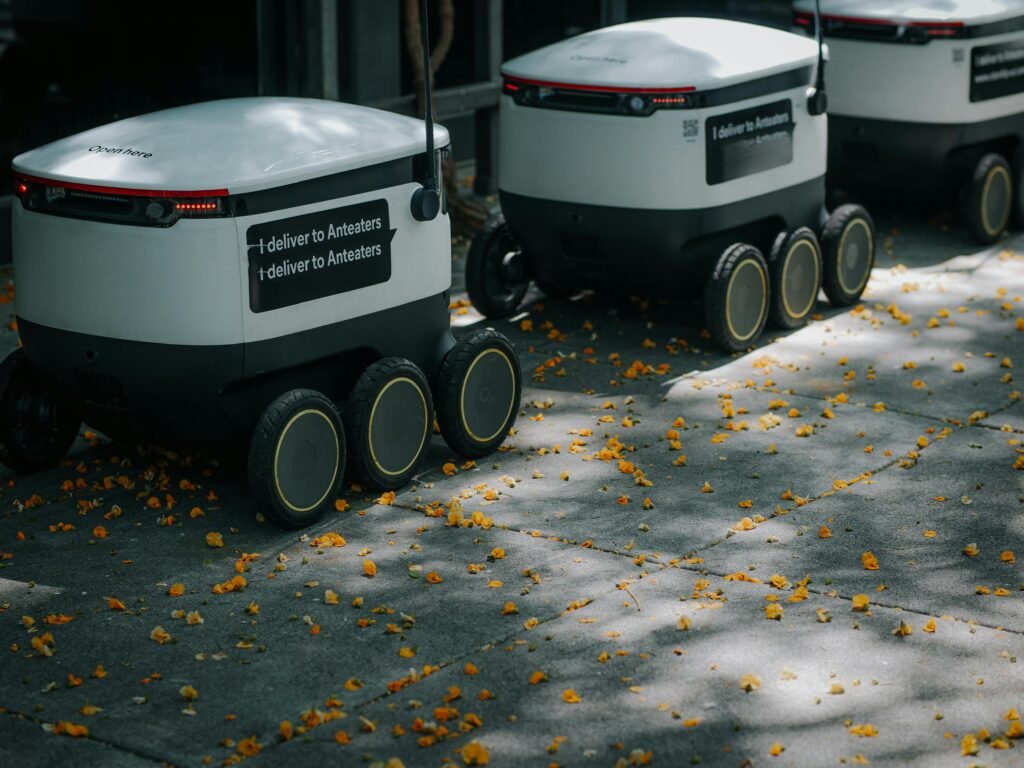
Vehicles analyze driving behavior, predict maintenance needs, and adjust performance settings without driver input.
3. Consumer Technology
Devices learn user habits and respond naturally, offering support without constant prompts or interruptions.
4. Healthcare
AI systems monitor patterns and detect early warning signs, helping prevent issues before they escalate.
Read more: Internal article title
Why People Prefer Ambient AI
Ambient AI focuses on results rather than interaction. By reducing screen time and interruptions, it lowers stress and improves efficiency. When technology works silently and reliably, it builds trust instead of frustration.
People don’t need to think about the AI—it simply supports them.
Challenges That Still Need Attention
Despite its benefits, ambient AI raises important concerns. Transparency is essential. Users should understand what systems are doing and why. Data privacy must be clearly protected, and people must always have the option to override automated decisions.
Trust depends on control, even when AI operates quietly.
What Ambient AI Means for the Future of Technology
Ambient AI signals a major shift in design philosophy. Future technology will focus less on interfaces and more on intelligent environments that respond naturally to human needs.
Instead of demanding attention, technology will fade into the background and activate only when it adds value.
Final Thought
Ambient AI may become the most influential AI trend of 2026 because it combines intelligence with simplicity. When technology delivers value without demanding attention, it becomes a natural part of life rather than a distraction.
The real question is not whether ambient AI will grow—but how seamlessly it will blend into everything we do.
Read More : Multimodal AI