AI Copilots in 2026: How Humans and AI Work Together
Introduction
In 2026, artificial intelligence is no longer limited to automating repetitive tasks. Instead, AI copilots are actively working alongside humans inside everyday software. From writing emails and managing projects to analyzing data and planning strategies, AI copilots are transforming digital tools into intelligent partners.
Rather than replacing people, this new generation of AI is designed to support decision-making, reduce mental load, and help users work smarter.
What Are AI Copilots?
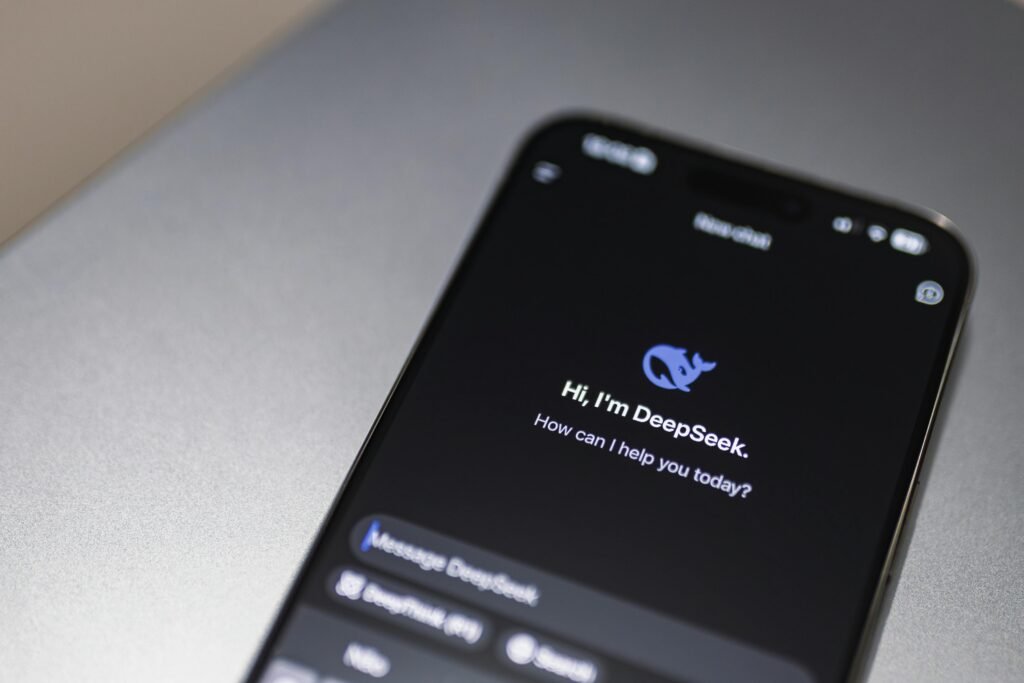
AI copilots are embedded AI systems built directly into applications such as browsers, design tools, coding platforms, and business software. Unlike traditional automation, AI copilots understand context, provide real-time suggestions, and adapt to user intent.
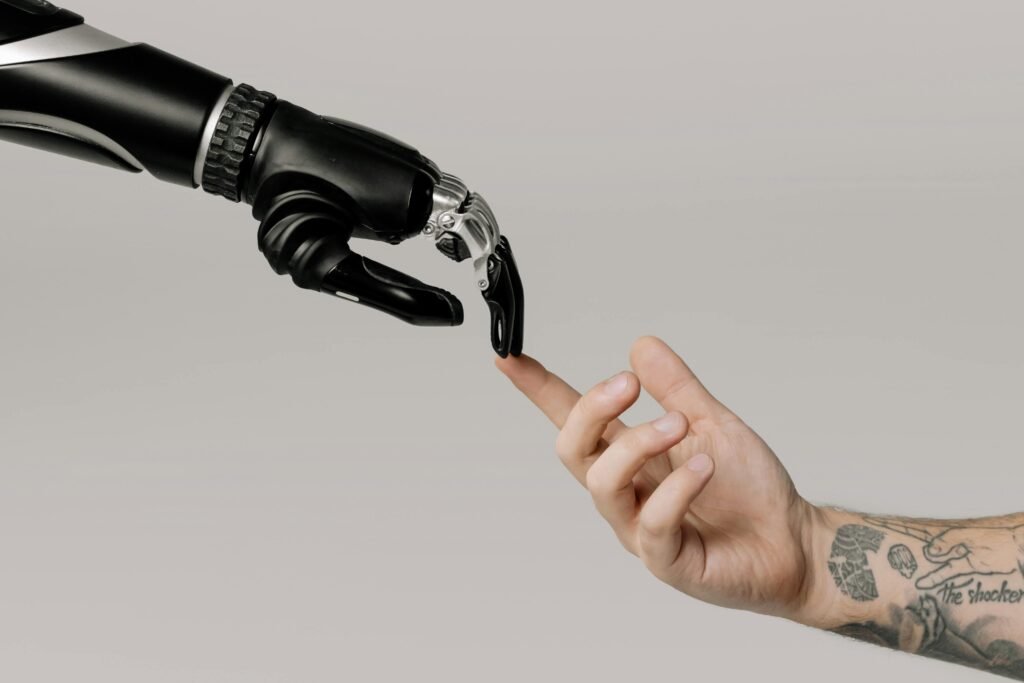
They don’t operate independently. AI copilots collaborate with users—offering guidance while keeping final control firmly in human hands.
Why AI Copilots Are Everywhere in 2026
Increasing Complexity of Digital Work
Modern work involves juggling emails, documents, meetings, analytics, and deadlines across multiple platforms. AI copilots simplify this complexity by summarizing information, identifying priorities, and suggesting clear next steps.
Smarter Language Understanding
Advances in natural language processing allow AI copilots to follow long conversations, retain context, and adjust tone based on user preferences. This makes interactions feel more natural and less mechanical.
Productivity Over Pure Automation
Companies are no longer focused on replacing workers. Instead, they are using AI copilots to enhance human thinking, speed up learning, and improve decision quality.
External reference:
https://www.ibm.com/topics/artificial-intelligence
How AI Copilots Are Used in Real Life
AI copilots are already embedded in everyday workflows across industries.
Knowledge and Office Work
Professionals use AI copilots to draft reports, summarize meetings, analyze spreadsheets, and prepare presentations faster and with fewer errors.
Software Development
Developers rely on AI copilots to suggest code, detect bugs, explain complex logic, and speed up debugging without losing creative control.
Creative and Business Use
Writers, designers, and marketers use AI copilots to brainstorm ideas, refine content, and plan campaigns. Small business owners benefit by handling customer responses, planning tasks, and gaining insights without hiring additional staff.
Read more: Internal article title
Why Users Are Adopting AI Copilots Quickly
One key reason is trust. AI copilots assist rather than decide. Humans stay in charge while AI provides intelligent support.
Major benefits include:
- Reduced decision fatigue
- Faster learning curves
- Fewer repetitive mistakes
- More time for strategic and creative thinking
This balance makes AI copilots feel like helpful teammates rather than intrusive technology.
Challenges and Limitations of AI Copilots
Despite rapid adoption, AI copilots are not without risks. Overreliance can weaken critical thinking if users blindly accept suggestions. Data privacy is another concern, especially when copilots handle sensitive information.
Responsible use, transparency, and clear boundaries remain essential for long-term trust.
What AI Copilots Mean for the Future of Work
AI copilots signal a fundamental shift in how software functions. Tools are no longer passive—they actively support thinking, planning, and problem-solving.
In the near future, most digital platforms may include AI copilots by default. This evolution does not remove human roles; it amplifies them.
Final Thought
AI copilots represent a future where technology empowers rather than replaces people. By guiding decisions, reducing mental overload, and enhancing productivity, AI copilots are redefining how work gets done in 2026.
The question is no longer whether AI will be part of work—but whether you are ready to work alongside it.