Introduction
Smart home gadgets have been around for years, but in 2026 they finally feel practical instead of complicated. What once required technical setup and frequent troubleshooting is now simple, affordable, and genuinely useful. From lighting to security, smart devices are quietly becoming part of everyday homes rather than luxury add-ons.
Why Smart Home Technology Is Taking Off Now
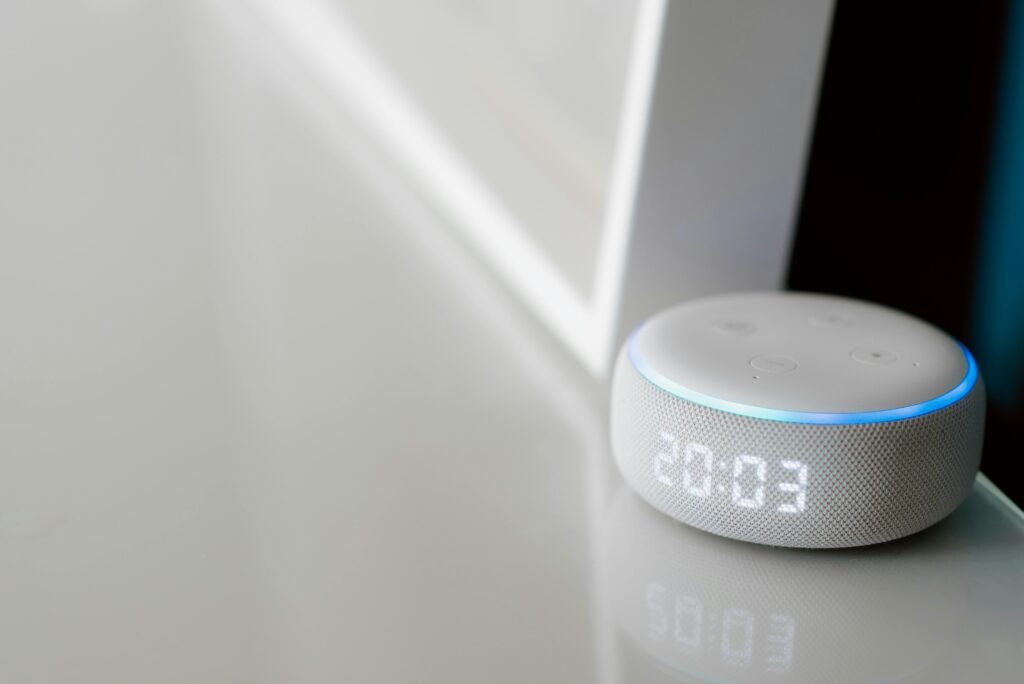
The biggest change is reliability. Smart devices now connect faster, apps are more stable, and voice assistants understand natural language better than ever before. Users no longer need technical knowledge to get started.
At the same time, rising electricity costs are pushing homeowners and renters to look for smarter ways to manage energy usage. Smart homes today are less about showing off technology and more about saving time, effort, and money.
Smart Home Gadgets People Are Actually Using
In 2026, people are choosing gadgets that solve real problems. The most commonly used devices include:
- Smart lights that adjust brightness based on time and usage
- Smart plugs that cut power to unused appliances
- Thermostats that learn daily routines and reduce energy waste
Smart doorbells and security cameras are also growing fast, especially in apartments and rented homes where flexibility matters.
These devices work quietly in the background, which is exactly why users prefer them.
The Real Benefits Beyond Convenience
Smart home technology offers more than just comfort. It helps reduce energy waste, improves home security, and simplifies daily routines. For many users, the biggest benefit is peace of mind—knowing their home is monitored and optimized even when they are away.
Over time, these small improvements add up to noticeable savings and a smoother daily life.
External reference: https://www.iea.org/energy-system/buildings
Common Concerns Still Exist
Privacy remains a major concern, especially with always-connected devices that collect data. Another issue is over-automation, where too many gadgets can create confusion instead of comfort.
The smartest approach is choosing a few useful devices that fit your lifestyle, rather than trying to automate everything at once.
What This Means for the Future of Homes
Homes are becoming responsive instead of reactive. In the coming years, smart systems will automatically adjust settings based on habits, weather conditions, and even energy prices.
Smart homes are no longer futuristic concepts. They are becoming the new normal.
Final Thought
The best smart gadgets do not demand attention. They quietly make life easier. In 2026, smart homes finally live up to their promise by focusing on usefulness rather than complexity.