Edge AI Chips in 2026: Powering Smarter Devices Everywhere
Artificial intelligence is everywhere — but in 2026, it’s no longer just in the cloud. Instead, the real power shift is happening on the edge of networks, inside the devices we use every day.
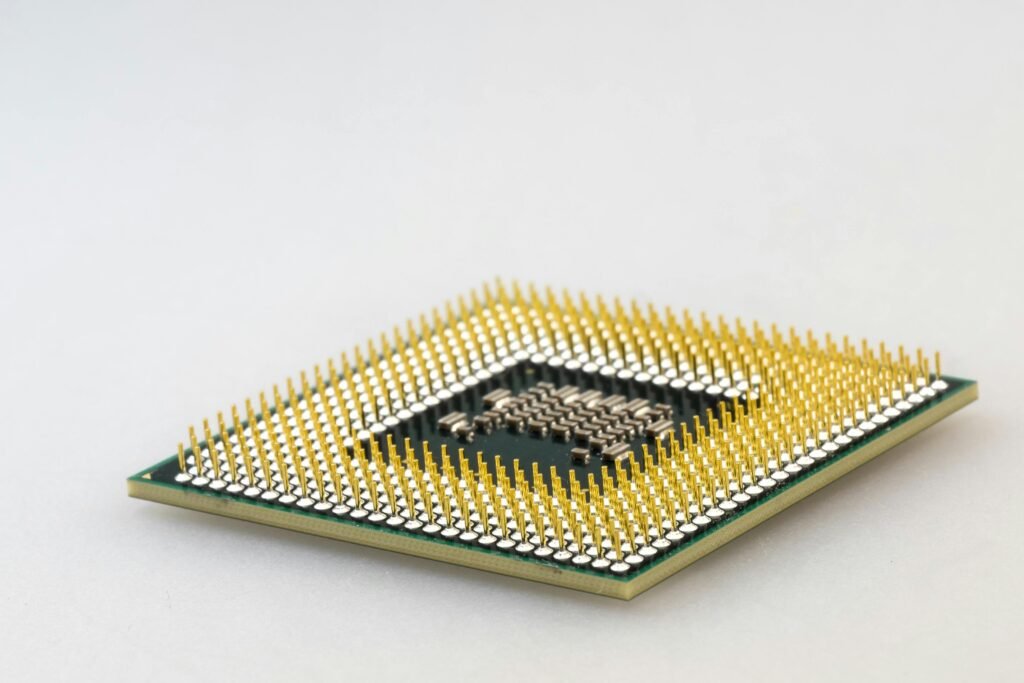
This shift is being driven by edge AI chips — tiny, specialized processors designed to run artificial intelligence directly on hardware like smartphones, wearables, smart cameras, and even cars.
Rather than sending data to remote servers for processing, edge AI chips allow devices to process information locally. This makes AI faster, more private, and more energy efficient — a big reason why this trend is exploding in 2026.
What Are Edge AI Chips?
Edge AI chips are specialized processors integrated into devices that can run AI algorithms without relying on cloud servers. These chips handle tasks such as:
- Voice recognition
- Image processing
- Sensor interpretation
- Real-time decision making
- Predictive analysis
By keeping AI on the device, edge AI chips reduce latency (delay), conserve bandwidth, and enhance privacy.
Why Edge AI Chips Are Trending in 2026
This trend is gaining momentum because of several key factors:
1. Latency Reduction
Performing AI tasks locally means no waiting for cloud responses.
For example, a phone can:
- Translate speech instantly
- Recognize faces in real time
- Suggest next actions without internet delays
This improves user experience dramatically.
2. Privacy Becomes Priority
Because data doesn’t leave the device, edge AI chips improve privacy protection.
Sensitive information like voice commands, health metrics, or biometrics stays on the device — not on third-party servers.
This is especially important in 2026, as privacy regulations tighten globally.
3. Energy Efficiency
Edge AI chips are optimized to perform AI tasks with minimal power usage, making them ideal for:
- Smartphones
- Wearables
- Smart home devices
- Industrial sensors
Better power performance means longer battery life and reduced energy costs.
Where Edge AI Chips Are Used Today
Smartphones
Modern phones use edge AI chips to:
- Enhance camera capabilities
- Enable offline voice assistance
- Predict app behavior
- Improve security features (face ID, fingerprint AI)
In 2026, even mid-range devices include capable edge AI silicon.
Wearables
Devices like smartwatches and fitness rings now use edge AI to:
- Track stress and recovery
- Detect health anomalies
- Provide real-time coaching
- Monitor sleep quality
Because the AI runs locally, personal health data stays private.
Cars and Transportation
In automotive tech, edge AI chips are integral for:
- Driver assistance systems
- Road sign recognition
- Adaptive cruise control
- Predictive maintenance alerts
Cars are now processing data in real time without the cloud.
Smart Homes and IoT Devices
Smart speakers, cameras, and home automation devices use edge AI to:
- Detect unusual activity
- Personalize user preferences
- Respond to voice commands even offline
- Balance energy use intelligently
This reduces dependency on cloud and improves reliability.
Key Benefits of Edge AI Chips
Faster Performance
Tasks process instantly on the device, leading to snappier responses and smoother interaction.
Enhanced Privacy
Sensitive data stays local, which protects user information and meets stringent data governance policies.
Lower Connectivity Dependence
Even in areas with poor internet coverage, edge AI features still work reliably.
Improved Battery Life
Edge AI processors are designed to use fewer resources than cloud-dependent computation.
Challenges and Limitations
Despite its promise, edge AI still has some challenges:
Hardware Limitations
Smaller edge processors cannot match the sheer computing power of cloud servers.
This means cloud and edge often co-exist — with heavy tasks still offloaded to remote servers.
Development Complexity
Building efficient edge AI software requires specialized skills and optimization.
Fragmentation
Different devices and chipsets may behave differently, creating compatibility challenges.
The Future of Edge AI
As semiconductor innovation continues:
- Edge AI chips will become more powerful and affordable
- More devices will include AI natively
- New AI applications will emerge that never rely on cloud servers
- Standards and interoperability will improve
Eventually, nearly every connected device in homes, workplaces, and public spaces will run smart AI locally.
Final Thoughts
In 2026, edge AI chips represent a major shift in how artificial intelligence interacts with real-world users.
Instead of waiting for cloud responses, AI now lives on devices themselves — making experiences faster, more private, and more intelligent.
Whether you’re using a phone, watch, car, or smart camera, edge AI chips are quietly powering smarter interactions everywhere.
This trend isn’t just popular — it’s foundational to the future of consumer tech.