Multimodal AI in 2026: The Next Evolution of Artificial Intelligence
Artificial intelligence has evolved rapidly over the past decade. Early AI tools focused mainly on text processing or image recognition. However, the biggest breakthrough in 2026 is multimodal AI technology, which allows machines to understand and process multiple types of data at the same time.
Instead of relying on just text prompts, modern AI systems can analyze images, voice commands, video input, and written language together. This creates far more natural interactions between humans and machines.
As a result, multimodal AI is becoming the foundation for next-generation digital assistants, smart devices, healthcare tools, and enterprise software.
What Is Multimodal AI?
Multimodal AI refers to artificial intelligence systems that can process multiple forms of input simultaneously, including:
- Text
- Images
- Audio
- Video
- Sensor data
Traditional AI models usually focus on one type of data. For example, some systems specialize only in language processing, while others focus on computer vision.
Multimodal AI combines these capabilities, enabling machines to understand context much more effectively.
For instance, an AI system could analyze a photo of a broken machine, read a technical manual, and provide spoken repair instructions — something that previously required several separate tools.
Why Multimodal AI Is Trending in 2026
Several factors are accelerating the growth of multimodal AI technology.
1. More Natural Human-Computer Interaction
Humans communicate using multiple signals at once — speech, facial expressions, visuals, and written language.
Multimodal AI allows computers to interact with people in a way that feels more natural and intuitive.
For example:
- Voice assistants can analyze tone and intent
- Image recognition tools can understand context
- Video analysis systems can interpret movement and behavior
This makes AI interactions far more powerful.
2. Smarter Digital Assistants
Modern AI assistants are evolving from simple chatbots into full digital collaborators.
Multimodal assistants can:
- Read documents
- Analyze images
- Understand spoken instructions
- Generate visual content
- Summarize videos
These capabilities are transforming productivity tools and business workflows.
3. Better Automation in Industry
Industries such as manufacturing, logistics, and healthcare benefit greatly from multimodal AI.
For example:
- Engineers can photograph broken equipment and receive step-by-step instructions.
- Medical AI systems can analyze scans alongside patient records.
- Autonomous machines can interpret camera data and environmental sensors simultaneously.
This dramatically improves efficiency and decision-making.
Real-World Applications of Multimodal AI
Smart Devices
Smartphones and wearables are increasingly powered by multimodal AI features such as:
- visual search
- real-time translation
- voice-controlled photography
- AI video editing
These features make devices more intelligent and useful in everyday situations.
Healthcare Technology
Multimodal AI helps doctors combine multiple types of information, including:
- medical images
- patient history
- lab results
- voice notes
This enables faster diagnosis and more personalized treatments.
Content Creation
Creators are using multimodal AI tools to:
- generate images from text prompts
- edit videos automatically
- convert speech into written articles
- produce entire marketing campaigns with AI assistance
This technology is transforming digital media production.
Robotics and Automation
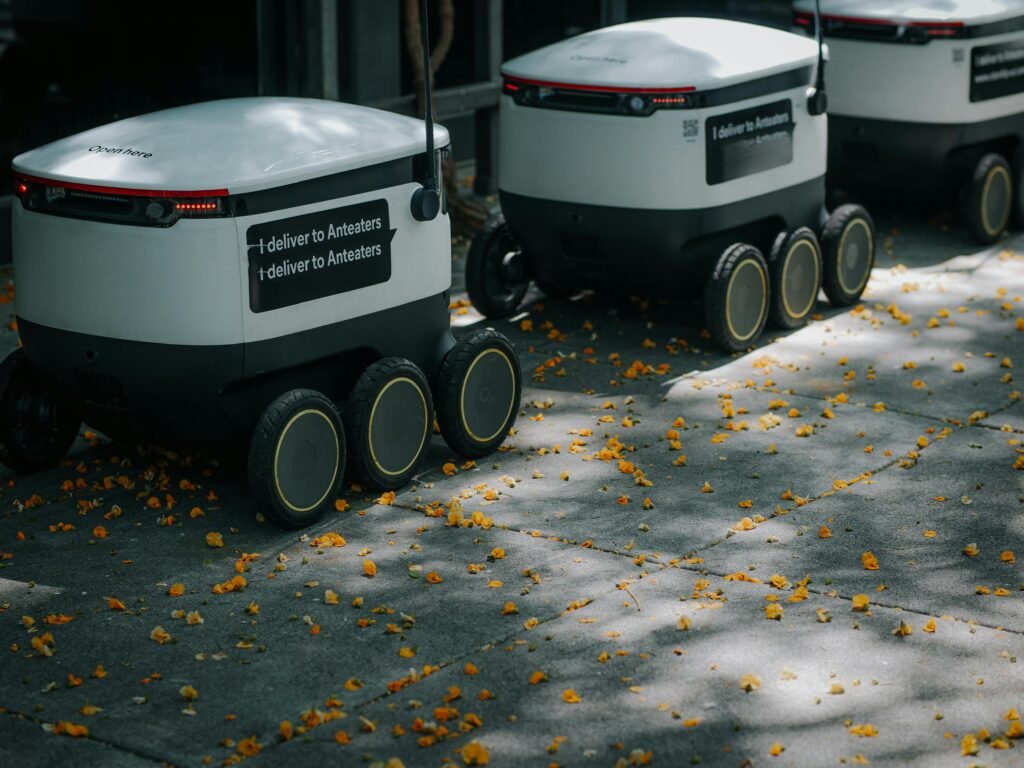
Advanced robots now combine vision, language understanding, and sensor data to interact with real environments.
This allows robots to perform tasks such as:
- warehouse operations
- equipment repair
- household assistance
- industrial automation
Key Benefits of Multimodal AI Technology
Improved Accuracy
Combining multiple data sources allows AI to make more accurate decisions.
For example, analyzing both text and images provides richer context.
Enhanced User Experience
Users can interact with AI using natural inputs like speech, photos, and gestures instead of typing commands.
Faster Decision Making
Multimodal AI systems can process complex information quickly, making them ideal for time-sensitive applications.
Greater Innovation
This technology enables entirely new products, services, and digital experiences.
Challenges Facing Multimodal AI
Despite its promise, several challenges remain.
High Computing Requirements
Processing multiple data types simultaneously requires powerful hardware and optimized algorithms.
Data Privacy Concerns
Multimodal systems often collect sensitive information such as voice recordings and images, which raises privacy considerations.
Development Complexity
Designing AI models that handle multiple inputs reliably is technically challenging and requires significant research and testing.
The Future of Multimodal AI
Over the next few years, multimodal AI is expected to become the standard for intelligent systems.
Future developments may include:
- fully immersive AI assistants
- smarter autonomous robots
- advanced healthcare diagnostics
- AI-driven education platforms
- more powerful creative tools
As computing power and AI models continue to evolve, machines will become increasingly capable of understanding the world in ways similar to humans.
Final Thoughts
Multimodal AI technology represents one of the most important advancements in artificial intelligence in 2026.
By combining text, images, audio, and video understanding, this technology is transforming how people interact with machines.
From smarter gadgets to advanced enterprise systems, multimodal AI is paving the way for a new generation of intelligent applications that are faster, more intuitive, and more capable than ever before.