Introduction
For years, the gadget industry focused on releasing more products every year. In 2026, something interesting is happening—people are buying fewer devices but expecting more from each one. This shift is known as gadget fatigue, and it’s changing how electronics are designed.
What Is Gadget Fatigue?
Gadget fatigue happens when users feel overwhelmed by too many devices, chargers, apps, and updates. Managing technology starts to feel like a job instead of a benefit.
As a result, people are choosing quality and versatility over quantity.
Digital fatigue | Deloitte Insights
Why This Trend Is Growing
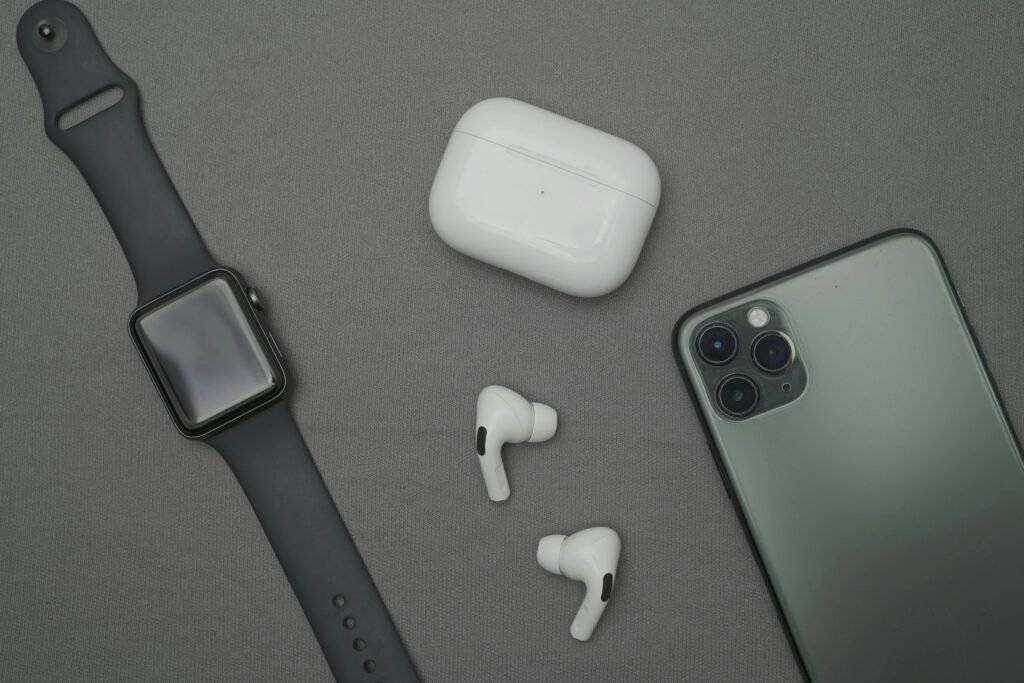
One reason is device overlap. Phones take photos like cameras, tablets replace notebooks, and smartwatches track health better than fitness bands. Another reason is cost—electronics are more expensive, so buyers want long-term value.
How Brands Are Responding
Manufacturers are focusing on multi-purpose gadgets. Devices now offer longer software support, modular accessories, and stronger batteries.
Instead of flashy features, brands are highlighting reliability and lifespan.
What Consumers Are Doing Differently
People are upgrading less often and researching more before buying. Repairability and resale value matter more than launch-day hype.
Owning fewer gadgets is becoming a form of digital minimalism.
Why This Is Good for Users
Less clutter means fewer distractions, lower expenses, and better focus. Technology starts supporting life instead of competing for attention.
This mindset shift is making tech feel helpful again.
What This Means for the Electronics Industry
The future belongs to smarter, longer-lasting devices. Companies that prioritize usefulness over novelty will gain trust and loyalty.
Gadget fatigue is not killing innovation—it’s refining it.
Final Thought
In 2026, the best gadget isn’t the newest one—it’s the one that fits your life perfectly.
Would you rather own five average gadgets or one device that does everything well?