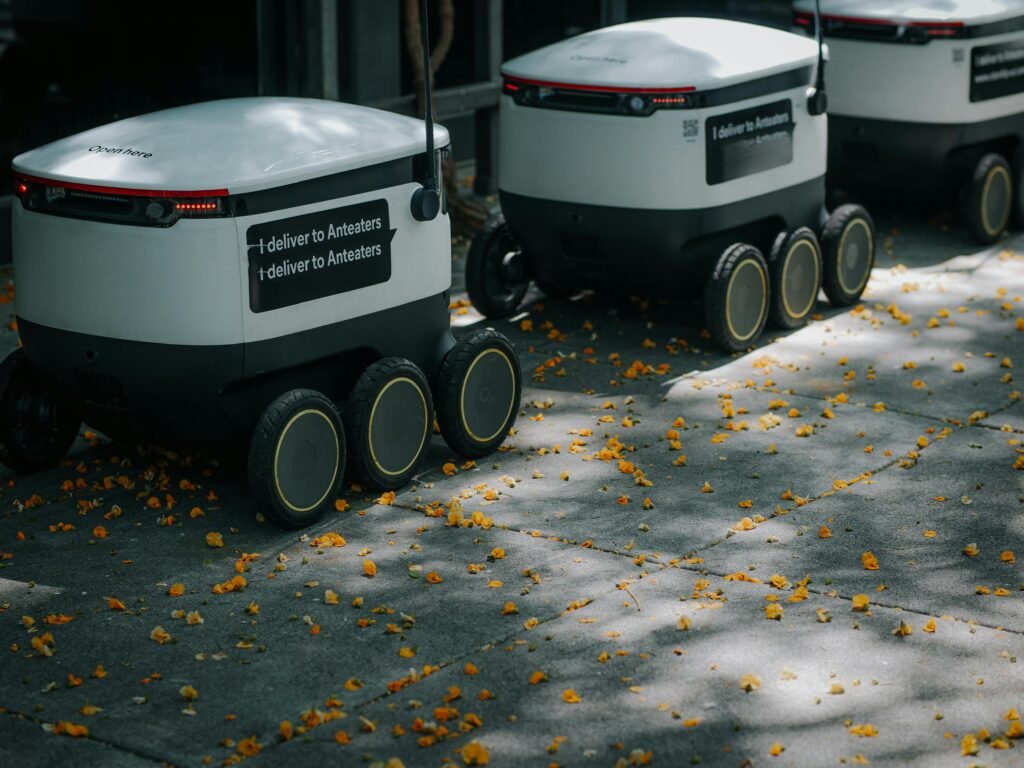
Nvidia’s Alpamayo: A Major Leap Forward for AI-Powered Self-Driving Cars
Introduction
Self-driving cars have made remarkable progress over the past decade, yet one major obstacle still limits full autonomy: handling the unexpected. Sudden obstacles, confusing road layouts, extreme weather, and unpredictable human behavior—known as edge cases—remain the biggest challenge.
Nvidia’s latest open-source innovation, the Nvidia Alpamayo AI model, is designed to solve exactly this problem. By enabling autonomous vehicles to reason, plan, and act more like humans, Alpamayo marks a major step toward safer and more reliable self-driving technology.
What Is Nvidia Alpamayo?
Alpamayo is a 10-billion-parameter Vision-Language-Action (VLA) AI model developed by Nvidia to improve decision-making in autonomous systems.
Unlike traditional self-driving software that relies on rigid rules, Alpamayo integrates:
- Vision to understand the driving environment
- Language to interpret context and intent
- Action planning to choose the safest response
What truly sets the Nvidia Alpamayo AI model apart is its chain-of-thought reasoning. Instead of reacting instantly, the model evaluates situations step by step—similar to how a human driver thinks through complex scenarios.
Because Alpamayo is open-source, automakers and developers can freely customize and improve it, accelerating innovation across the autonomous vehicle ecosystem.
Why Alpamayo Changes Autonomous Driving
Most failures in self-driving cars don’t happen during normal driving—they occur in rare and unpredictable situations.
The Nvidia Alpamayo AI model addresses these moments logically by:
- Detecting unusual or risky conditions
- Reasoning through multiple possible actions
- Selecting the safest and most appropriate response
This shift from reactive behavior to thoughtful decision-making could significantly reduce accidents. Human error remains a leading cause of road injuries worldwide, and AI systems that reason intelligently have the potential to save countless lives.
Imagine a self-driving car calmly navigating fog, debris, or confusing traffic patterns without sudden or unsafe movements. That’s the level of reliability Alpamayo aims to deliver.
How Alpamayo Fits into Nvidia’s AI Strategy
Alpamayo strengthens Nvidia’s broader push into:
- Autonomous vehicles
- Edge AI computing
- Robotics and real-world AI systems
By focusing on reasoning rather than raw perception alone, Nvidia aligns Alpamayo with emerging 2026 trends that prioritize safety, accountability, and real-world intelligence over flashy demonstrations.
This approach also supports stricter global regulations that demand explainable and reliable AI behavior in transportation.
Real-World Impact of Alpamayo
Even limited adoption of reasoning-based AI could have a massive effect by:
- Reducing road accidents
- Improving public trust in autonomous vehicles
- Enabling safer robotaxis and delivery fleets
For automakers and AI startups, the Nvidia Alpamayo AI model offers a scalable foundation for building next-generation autonomous systems that can operate confidently in complex environments.
Internal reference: Related AI & Tech article
Key Takeaways for Tech Enthusiasts
- Open-source access lowers barriers for global developers
- Chain-of-thought reasoning improves edge-case handling
- Supports major 2026 trends like robotics and edge AI
- Moves self-driving cars from detection to true intelligence
Final Thoughts
The Nvidia Alpamayo AI model represents a turning point for autonomous driving. Instead of vehicles that simply see the road, Alpamayo enables cars to understand it.
This evolution from rule-based reactions to human-like reasoning could finally make autonomous vehicles trustworthy for everyday use. As AI continues to mature in 2026, thoughtful decision-making—not just computing power—will define the future of mobility.
Would you trust a self-driving car that can think before it drives?
Related Topic : https://xelvona.com/ai-copilots-2026-human-ai-collaboration/