Introduction
In 2026, almost every new electronic device is marketed as “AI-powered.” Smartphones promise smarter cameras, smartwatches claim health predictions, and smart home devices say they can “understand” you. But with higher prices and increasing privacy concerns, consumers are asking an important question: are AI-powered gadgets actually worth buying, or are they just clever marketing?
This blog breaks down what’s truly trending in electronics today, who should buy these gadgets, and how to separate real value from hype.
Why AI Gadgets Are Trending Right Now
The rise of AI-powered electronics is driven by three major changes:
- AI chips are now built directly into devices
- Users expect personalized experiences, not generic features
- Companies want devices that improve over time through software updates
Unlike earlier years, today’s gadgets don’t just follow commands — they learn user behavior. This shift has pushed AI from software into everyday hardware.
Trending AI Gadgets in 2026
AI Smartphones
Modern smartphones now use AI for:
- Camera optimization based on lighting, faces, and movement
- Battery management that adapts to daily usage
- Real-time language translation and voice assistance
These phones feel less like tools and more like personal assistants.
Wearables and Smartwatches
Smartwatches have evolved far beyond step counting. Current models focus on:
- Heart rate variability and stress tracking
- Sleep quality analysis
- Early alerts for irregular health patterns
For many users, wearables are becoming preventive health tools rather than fitness accessories.
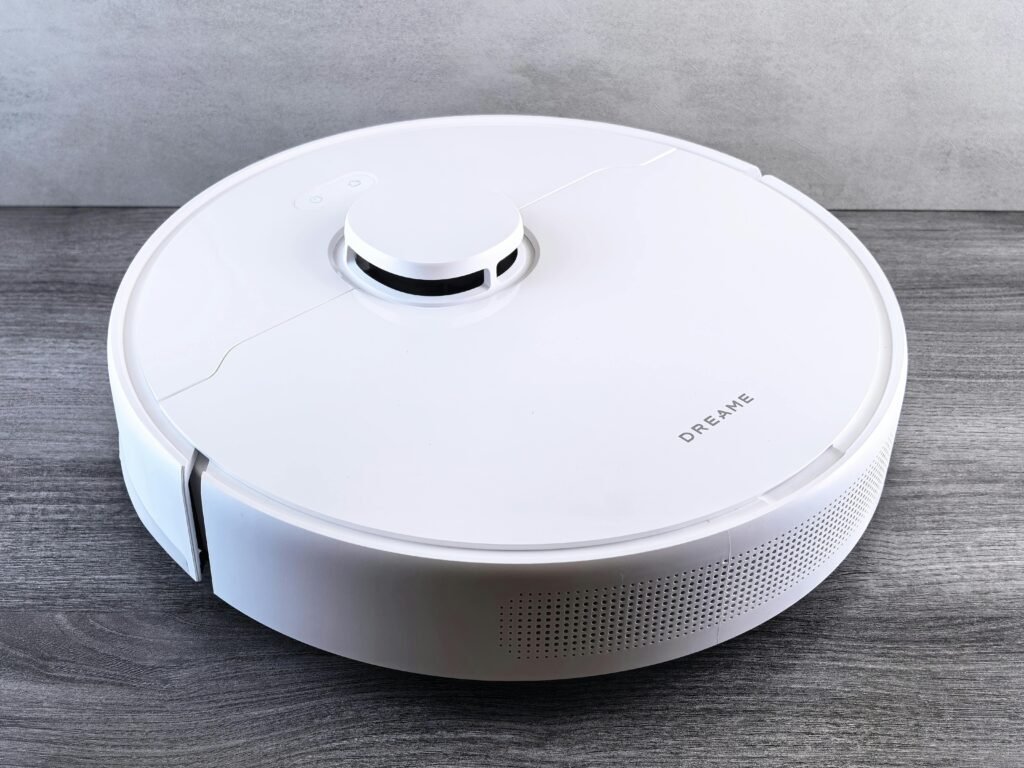
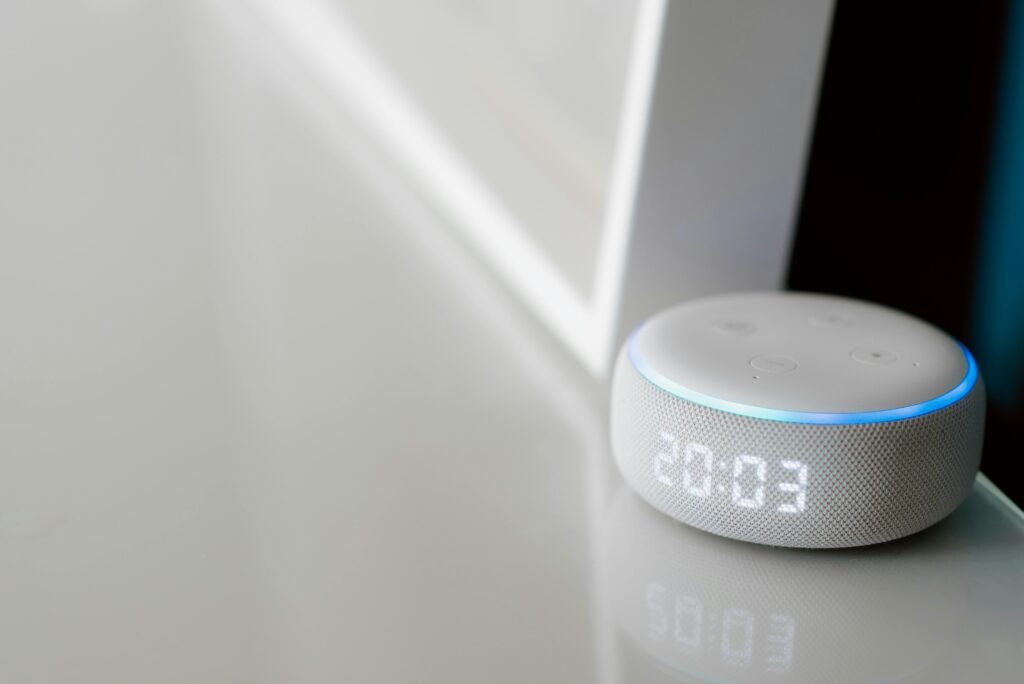
Smart Home Devices
AI-powered smart homes include:
- Voice assistants that understand context
- Smart lights and thermostats that adjust automatically
- Security systems that identify familiar faces
These devices aim to reduce daily friction and energy waste.
Who Should Buy AI-Powered Gadgets
AI gadgets are most useful for:
- Busy professionals who value automation
- Health-conscious users tracking long-term wellness
- Tech-savvy users who enjoy customization
They may not be ideal for users who:
- Prefer simple devices
- Rarely use advanced features
- Are concerned about constant data collection
Buying AI gadgets without understanding their features often leads to wasted money.
Pros of AI-Powered Electronics
1. Personalization
Devices adapt to your habits instead of forcing you to adapt to them.
2. Time Savings
Automation reduces repetitive tasks like manual settings and reminders.
3. Continuous Improvement
Software updates can improve performance even years after purchase.
Cons and Real Concerns
1. Higher Cost
AI gadgets are significantly more expensive than standard alternatives.
2. Privacy Issues
Many devices collect user data to function effectively, raising trust concerns.
3. Feature Overload
Not all AI features are useful — some exist only for marketing.
Value for Money: How to Decide
Before buying any AI-powered gadget, ask yourself:
- Will I use this feature weekly or daily?
- Does it solve a real problem for me?
- Is there a non-AI alternative that works just as well?
If the answer is no, the gadget may be hype rather than value.
New Launches vs Real-World Performance
Many new gadgets perform well in demos but poorly in daily use. Real value comes from:
- Battery life
- Software reliability
- Long-term updates
Consumers in 2026 are learning to wait for real reviews, not launch-day excitement.
Final Verdict: Smart Choice or Smart Marketing?
AI-powered gadgets are not useless — but they are not magical either. When chosen wisely, they can improve productivity, health awareness, and comfort. When bought blindly, they become expensive toys.
The smartest buyers in 2026 are not chasing trends. They are choosing technology that quietly improves their daily life.
Are your gadgets working for you — or are you working around them?