Induction Cooktop Sales in India Are Exploding in 2026
Indian kitchens are experiencing a major shift in cooking technology. In 2026, induction cooktops have become one of the most sought-after appliances across the country.
From urban apartments to small restaurants, people are rapidly switching from traditional LPG gas stoves to electric induction cooktops. Retailers, e-commerce platforms, and appliance manufacturers have reported unprecedented demand in recent weeks.
The sudden surge is driven by several factors, including energy supply concerns, rising fuel prices, and a growing preference for efficient cooking solutions.
Why Induction Cooktop Sales in India Are Surging
1. LPG Supply Concerns and Geopolitical Tensions
One of the biggest drivers behind the spike in induction cooktop sales is concern about LPG availability.
Recent geopolitical tensions in West Asia have disrupted energy supply chains, raising fears of cooking gas shortages. As a result, households across India have rushed to buy electric cooking appliances as a backup.
Reports indicate that online platforms and electronics stores have seen dramatic spikes in demand, with many models going out of stock in major cities.
2. Sales Increasing Up to 30 Times
The surge has been so significant that some retailers reported sales increasing more than 30 times compared to normal levels.
Major online marketplaces such as Amazon and Flipkart confirmed massive spikes in purchases as consumers rushed to secure electric cooking alternatives.
This sudden demand has even forced manufacturers to ramp up production and adjust supply chains.
3. Rising LPG Prices
Global energy disruptions and transportation issues have pushed cooking gas prices higher.
When LPG becomes expensive or difficult to obtain, many households consider induction cooking a more affordable and reliable alternative.
Electric cooking appliances therefore become a practical solution during uncertain fuel supply conditions.
How Induction Cooktops Work
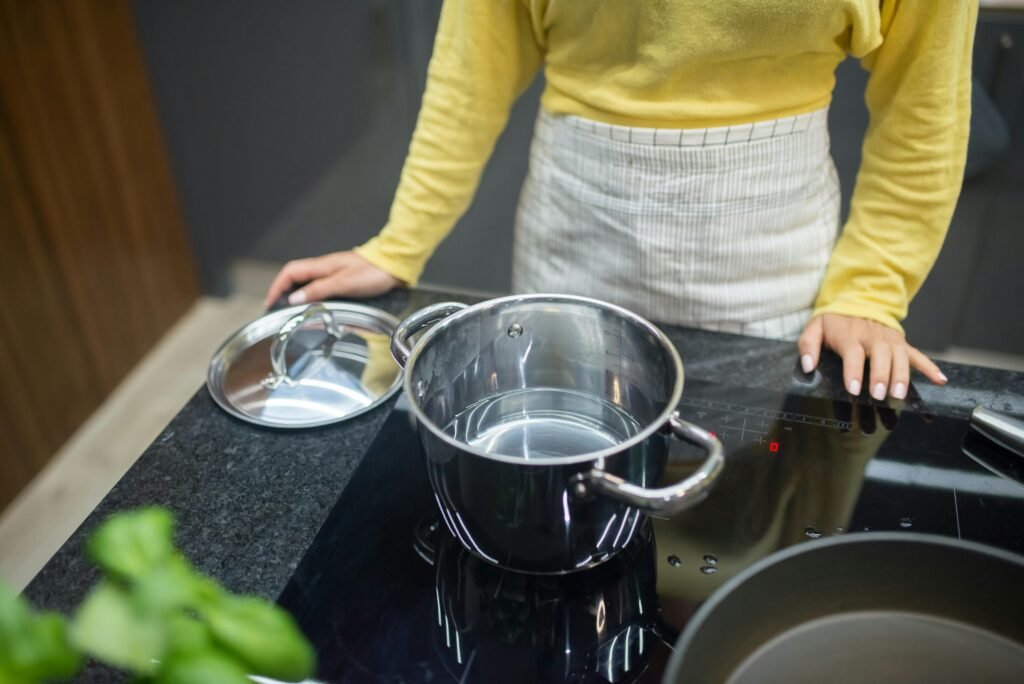
Unlike gas stoves that use flames, induction cooktops use electromagnetic technology to heat cookware directly.
Here is a simple explanation of the process:
- Electricity flows through a coil under the glass surface.
- The coil generates a magnetic field.
- Induction-compatible cookware converts this magnetic energy into heat.
- Food cooks quickly without heating the entire cooktop.
Because heat is generated directly inside the cookware, the process is faster and more energy-efficient.
Key Advantages of Induction Cooking
Faster Cooking
Induction cooktops heat up instantly and can boil water much faster than traditional gas stoves.
Higher Energy Efficiency
Since energy is transferred directly to the cookware, less heat is wasted.
Safer Cooking
Induction surfaces remain relatively cool because heat is generated inside the pan rather than on the surface.
Easy to Clean
Flat glass surfaces make induction cooktops easier to clean compared to gas burners.
Growing Market for Induction Cooktops in India
The long-term growth of induction cooking appliances in India is significant.
Market research indicates that the Indian induction cooktop market could grow from around $736 million in 2024 to more than $1.5 billion by 2033, reflecting strong consumer demand.
This growth is supported by:
- rapid urbanization
- rising disposable incomes
- modern modular kitchens
- increased e-commerce availability
- energy-efficient appliance adoption
Adoption by Restaurants and Small Businesses
Induction cooking is not limited to households. Restaurants and catering businesses are also exploring electric cooking solutions.
Some hotels and commercial kitchens are shifting toward induction-based cooking equipment to reduce dependence on LPG cylinders and improve operational efficiency.
This could accelerate the long-term transition toward electric kitchens.
Challenges of Induction Cooking
Despite its growing popularity, induction cooking has some limitations.
Requires Compatible Cookware
Traditional aluminum or clay utensils may not work on induction cooktops.
Electricity Dependency
Induction cooktops rely on electricity, so power outages can interrupt cooking.
Initial Cost
High-quality induction cooktops and compatible cookware can require an upfront investment.
The Future of Electric Cooking in India
The surge in induction cooktop sales in 2026 may represent more than just a temporary trend.
With increasing awareness of energy efficiency, modern kitchen design, and smart appliances, induction cooking is likely to become a mainstream technology in Indian homes.
Experts believe that the combination of technology, convenience, and energy efficiency will drive continued growth in the coming years.
Final Thoughts
The sudden boom in induction cooktop sales in India highlights how quickly consumer behavior can change when energy markets shift.
What started as a backup appliance is now becoming a core kitchen technology. As electric cooking becomes more common, induction cooktops could reshape how millions of Indian households prepare food in the future.