Push Pull Legs Workout: 7 Powerful Benefits for Building Muscle, Strength and Recovery
Building muscle in 2026 is no longer about random workouts. Instead, structured training systems dominate serious fitness programs. Among them, the push pull legs split stands out as one of the most efficient methods for long-term muscle growth and strength.
Rather than isolating body parts randomly, this system organizes workouts based on movement patterns. As a result, recovery improves, strength increases steadily, and progress becomes measurable.
Let’s break down why this approach continues to outperform traditional routines.
What Is a Push Pull Legs Workout?
At its core, the push pull legs split divides training into three categories: pushing movements, pulling movements, and lower-body exercises.
Push Day: Chest, Shoulders, Triceps
On push day, exercises involve pressing weight away from your body. For example, bench presses and overhead presses train the chest and shoulders effectively. In addition, triceps dips and incline presses add volume for muscle growth.
Because these muscles work together naturally, performance tends to improve across all pushing exercises.
Pull Day: Back and Biceps
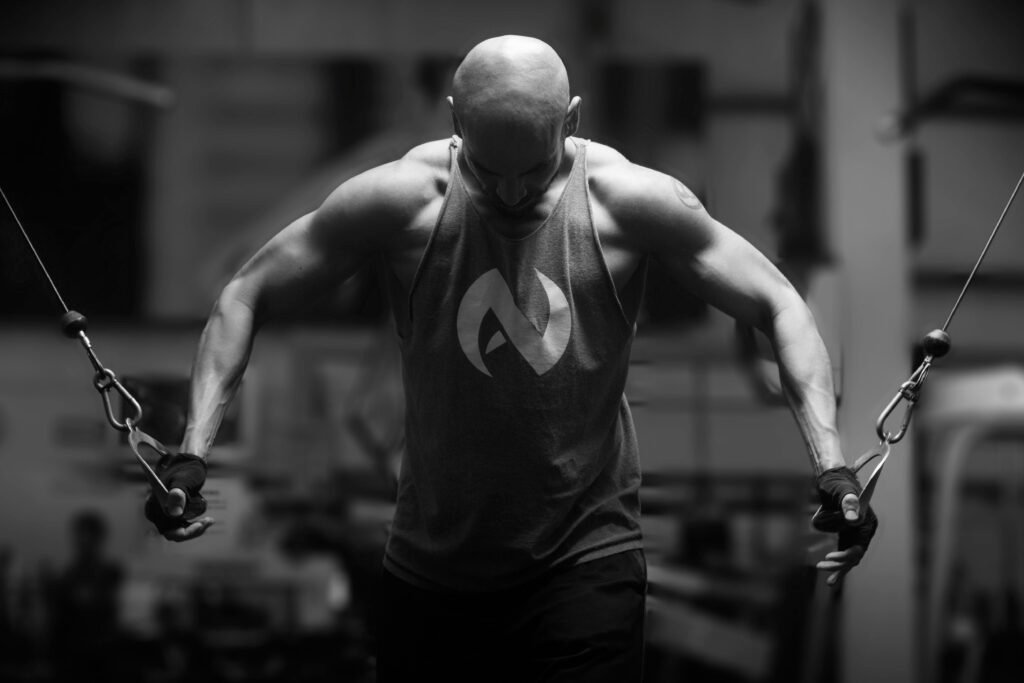
In contrast, pull day focuses on movements where resistance is drawn toward the body. Pull-ups, barbell rows, and lat pulldowns strengthen the back. Meanwhile, curls target the biceps for balanced arm development.
This separation allows push muscles to recover fully while pull muscles take over.
Leg Day: Lower Body Strength
Finally, leg day targets the largest muscle groups in the body. Squats, lunges, Romanian deadlifts, and calf raises build foundational strength.
Since the lower body drives overall athletic performance, this session plays a critical role in long-term results.
7 Powerful Push Pull Legs Workout Benefits
1. Balanced Muscle Development
One major advantage of this split is structural balance. Because opposing muscle groups are separated logically, no area is excessively overloaded.
Over time, this reduces imbalances and supports symmetrical growth. Consequently, injury risk decreases while aesthetics improve.
2. Built-In Recovery Structure
Recovery is where muscle growth actually occurs. Fortunately, the push pull legs split naturally builds rest into the system.
For instance, after training chest and shoulders, those muscles rest while you train back. Similarly, leg sessions do not interfere with upper-body recovery.
Therefore, most muscle groups receive 48 to 72 hours of recovery before being trained again.
3. Higher Weekly Training Frequency
Research consistently shows that training a muscle group twice per week supports better hypertrophy than once-weekly sessions.
With a 6-day rotation, each muscle group is stimulated two times weekly. As a result, total training volume increases without overwhelming fatigue.
This structure supports steady muscle growth.
4. Clear Progressive Overload
Tracking strength becomes much easier when exercises repeat weekly. For example:
Week 1 bench press: 60 kg
Week 4 bench press: 70 kg
Because movements remain consistent, increases in weight or reps clearly signal progress.
Moreover, this clarity keeps motivation high.
5. Flexible for Any Schedule
Another strong benefit is adaptability. Beginners can run the split three days per week. Meanwhile, intermediate lifters may train four to five days. Advanced trainees often complete six sessions weekly.
Regardless of experience level, the system scales efficiently.
6. Reduced Risk of Overtraining
Unlike unstructured routines, this split distributes workload intelligently. Smaller muscle groups are not repeatedly stressed without recovery.
In addition, joints experience less repetitive strain. Over months and years, this supports sustainable training.
7. Supports Both Size and Strength
Some programs prioritize muscle size. Others focus exclusively on powerlifting. However, the push pull legs approach blends both.
Heavy compound lifts build strength. Moderate repetitions stimulate hypertrophy. Accessory movements address weaknesses.
Because of this balance, lifters can pursue multiple goals simultaneously.
Sample Beginner Push Pull Legs Routine
Day 1 – Push
- Bench press – 3 sets
- Overhead press – 3 sets
- Incline dumbbell press – 3 sets
- Triceps pushdowns – 3 sets
Day 2 – Pull
- Lat pulldown – 3 sets
- Barbell row – 3 sets
- Seated cable row – 3 sets
- Dumbbell curls – 3 sets
Day 3 – Legs
- Squats – 3 sets
- Romanian deadlift – 3 sets
- Walking lunges – 3 sets
- Calf raises – 3 sets
After completing all three sessions, take one rest day. Then repeat the cycle if training six days per week.
Nutrition and Recovery Guidelines
Training alone does not build muscle. Instead, recovery habits determine long-term results.
To maximize push pull legs workout benefits:
- Consume 1.6 to 2.2 grams of protein per kilogram of body weight
- Sleep 7 to 9 hours nightly
- Maintain a slight calorie surplus for muscle gain
- Stay consistently hydrated
For global physical activity recommendations, refer to:
https://www.who.int/news-room/fact-sheets/detail/physical-activity
Common Mistakes to Avoid
Even strong programs fail when executed poorly.
Avoid these errors:
- Skipping leg day
- Lifting excessively heavy with poor form
- Ignoring progressive overload
- Constantly changing exercises
- Neglecting sleep and nutrition
Consistency always beats complexity.
Final Thoughts
In 2026, intelligent structure defines successful training. The push pull legs workout remains one of the most practical and proven systems available.
Because it balances frequency, recovery, and progressive overload, it supports sustainable muscle growth. Ultimately, long-term consistency matters more than short bursts of intensity.
If your goal is strength, muscle, and steady improvement, this split delivers reliable results.