AI Wearables for Real-Time Health Tracking
Healthcare in 2026 is shifting from reactive treatment to proactive prevention. AI wearables for real-time health tracking are at the center of this change. These smart devices continuously monitor vital health signals, analyze data using artificial intelligence, and provide instant feedback that helps people make better health decisions every day.
From smartwatches and rings to AI-powered patches, wearable technology is becoming a personal health assistant rather than just a fitness accessory.
Why AI Wearables Matter in 2026
Traditional health checkups capture only occasional data. AI wearables work differently by tracking health metrics continuously.
They matter because they:
- Detect early warning signs before symptoms appear
- Provide personalized health insights instead of generic advice
- Reduce dependence on frequent hospital visits
- Support long-term health monitoring for chronic conditions
AI wearables for real-time health tracking bring medical awareness into daily life.
How AI Wearables Track Health in Real Time
AI wearables combine sensors with machine learning models to analyze health data instantly.
Key technologies include:
- Heart rate and heart rate variability sensors
- Blood oxygen and respiratory tracking
- Sleep pattern and recovery analysis
- Movement, posture, and activity monitoring
AI processes this data continuously, learning individual baselines and flagging unusual patterns.
Health Metrics Monitored by AI Wearables
1. Heart Health
Modern AI wearables can detect irregular heart rhythms, elevated resting heart rate, and stress indicators. For example, sustained heart rate spikes or abnormal variability may trigger alerts suggesting rest or medical consultation.
2. Sleep Quality
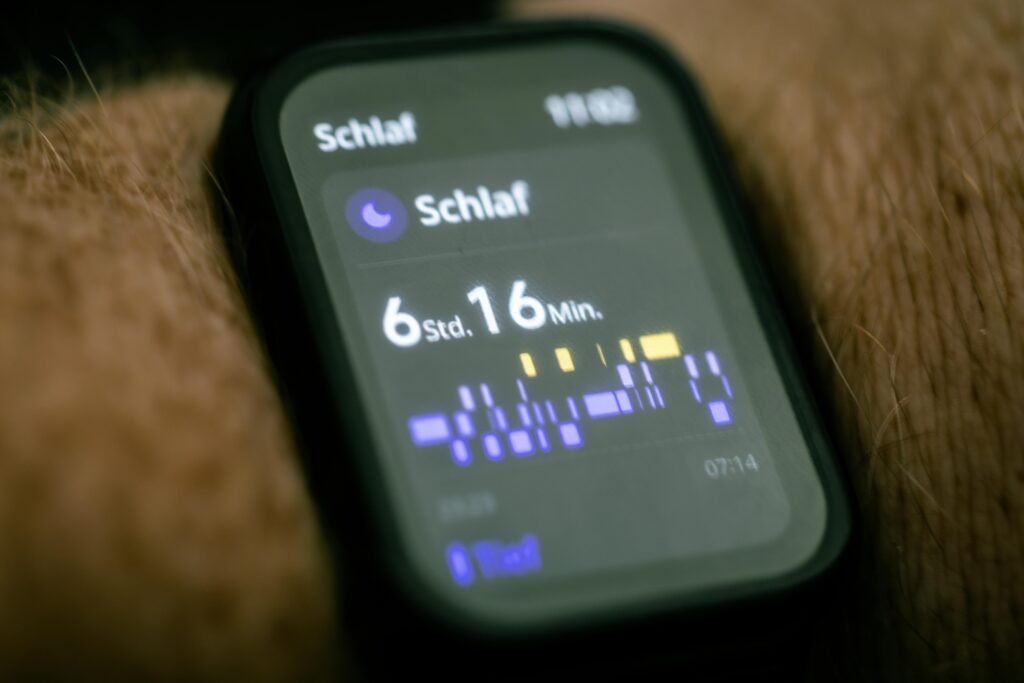
AI analyzes sleep stages, duration, and consistency. Poor sleep trends over 7–14 days can indicate stress, hormonal imbalance, or recovery issues.
3. Stress and Mental Health Indicators
Using heart rate variability and breathing patterns, AI wearables estimate stress levels and recommend breathing exercises or rest periods.
4. Activity and Recovery
Instead of counting steps alone, AI evaluates workout intensity, recovery time, and readiness scores to prevent overtraining.
Real-Life Benefits of AI Wearables for Users
AI wearables are especially valuable for:
- Working professionals managing stress and irregular schedules
- Older adults monitoring heart and sleep health
- Fitness-focused users optimizing performance and recovery
- People managing chronic conditions like diabetes or hypertension
For example, real-time glucose monitoring wearables combined with AI can alert users when blood sugar trends move outside safe ranges.
Accuracy and Data Insights in 2026
In 2026, AI models used in wearables are significantly more accurate than earlier generations. Many devices now achieve medical-grade precision for specific metrics.
For instance:
- Heart rate accuracy often exceeds 95% during rest
- Sleep tracking accuracy improves when combined with AI learning models
- Long-term trend detection is more reliable than single readings
The real value lies in patterns, not isolated numbers.
Privacy and Data Security Considerations
With continuous health data collection, privacy is a major concern.
Responsible AI wearables focus on:
- Encrypted data storage
- User-controlled data sharing
- Compliance with health data regulations
- Transparency in AI decision-making
Users should always review privacy policies before choosing a wearable device.
How to Choose the Right AI Wearable in 2026
When selecting an AI wearable, consider:
- Health goals (fitness, heart health, sleep, medical monitoring)
- Accuracy and sensor quality
- Battery life and comfort
- AI insights and app usability
Not all wearables offer the same level of real-time intelligence.
Expert Health Technology Reference
For broader guidance on digital health technologies and wearable monitoring, refer to the World Health Organization:
https://www.who.int/health-topics/digital-health
Future of AI Wearables in Healthcare
The next phase of AI wearables for real-time health tracking includes predictive health alerts, early disease detection, and integration with telemedicine platforms.
Instead of reacting to illness, individuals and doctors will increasingly rely on AI-driven insights to prevent health problems before they escalate.
Final Thoughts on AI Wearables for Real-Time Health Tracking
In 2026, AI wearables are no longer optional gadgets. They are essential tools for proactive health management. AI wearables for real-time health tracking empower individuals with continuous awareness, personalized insights, and early warnings that support better health outcomes.
As technology evolves, these devices will play a central role in everyday healthcare decisions.