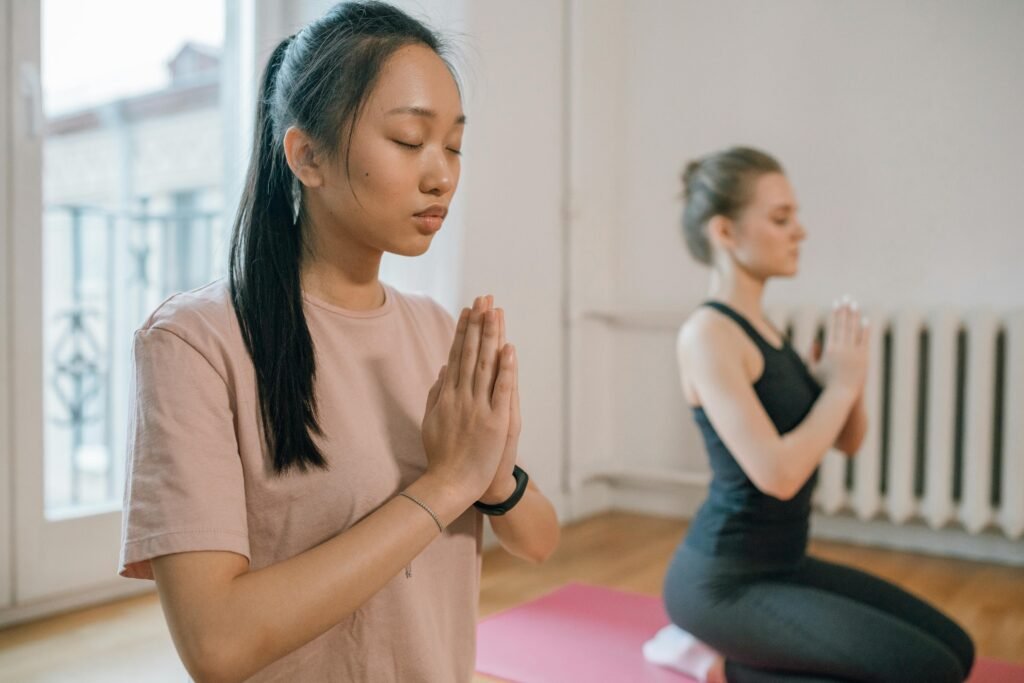
Mental Health Yoga Routines for Daily Balance
In 2026, mental health has become as important as physical fitness. Rising work pressure, digital overload, and irregular routines have increased stress and anxiety levels across all age groups. Mental health yoga routines offer a simple, natural way to calm the mind, improve emotional stability, and build long-term resilience.
This guide explains how yoga supports mental well-being and how you can build easy routines into your daily life.
Why Mental Health Yoga Matters in 2026
Mental health challenges are no longer limited to extreme cases. Many people experience daily stress, poor sleep, mood swings, and mental fatigue.
Mental health yoga routines help because they:
- Slow down the nervous system
- Improve focus and emotional control
- Reduce stress hormones naturally
- Encourage mindful breathing and awareness
Unlike intense workouts, yoga supports the mind without exhausting the body.
How Yoga Improves Mental Health
Yoga works on both the body and the brain. Scientific studies show that regular yoga practice can lower cortisol levels and activate the parasympathetic nervous system.
Key mental health benefits include:
- Reduced anxiety and restlessness
- Improved sleep quality
- Better mood regulation
- Increased mental clarity and focus
Mental health yoga routines focus more on breathing, gentle movement, and relaxation than physical intensity.
Simple Mental Health Yoga Routines You Can Follow
1. Morning Yoga for Mental Clarity (15–20 Minutes)
This routine helps start the day with calm focus.
- Deep breathing (Pranayama) – 5 minutes
- Cat-Cow pose – 2 minutes
- Child’s Pose – 3 minutes
- Seated forward bend – 3 minutes
- Short meditation – 5 minutes
This routine helps reduce morning anxiety and improves concentration.
2. Midday Yoga for Stress Relief (10–15 Minutes)
Ideal for office workers and remote professionals.
- Neck and shoulder stretches – 3 minutes
- Standing forward fold – 2 minutes
- Seated spinal twist – 3 minutes
- Slow breathing – 5 minutes
These movements release tension built from long sitting hours and screen time.
3. Evening Yoga for Emotional Balance (20 Minutes)
This routine helps the mind relax after a long day.
- Gentle hip openers – 5 minutes
- Legs up the wall pose – 5 minutes
- Supine spinal twist – 5 minutes
- Guided relaxation – 5 minutes
Evening mental health yoga routines improve sleep quality and reduce overthinking.
How Often Should You Practice Mental Health Yoga?
Consistency matters more than duration.
- Beginners can start with 10–15 minutes daily
- Regular practitioners can aim for 20–30 minutes
- Even 5 minutes of breathing on stressful days helps
Practicing at least 5 days a week delivers noticeable mental health benefits within a few weeks.
Common Mistakes to Avoid
- Treating yoga as a purely physical workout
- Holding poses with strain instead of comfort
- Skipping breathing and relaxation practices
- Expecting instant mental transformation
Mental health yoga routines work gradually and require patience.
Who Can Benefit the Most
Mental health yoga routines are especially helpful for:
- Working professionals under constant pressure
- Students facing academic stress
- People with sleep problems
- Anyone dealing with mild anxiety or burnout
Trusted Mental Health Guidance
For broader mental health and well-being recommendations, refer to the World Health Organization:
https://www.who.int/health-topics/mental-health
Final Thoughts on Mental Health Yoga Routines
In 2026, mental well-being requires daily care, not occasional fixes. Mental health yoga routines provide a practical, accessible way to manage stress, improve emotional balance, and support long-term mental clarity.
By practicing regularly and mindfully, yoga becomes not just exercise, but a daily mental reset.